If you have ever watched an NFL game and wondered what ball is used in NFL, you are not alone. Many football fans notice that NFL footballs look slightly different from regular footballs used in schools or casual games. The shape, grip, leather texture, and even the stitching feel unique. After playing recreational football for years and trying multiple football brands myself, I realized that the official NFL football delivers a completely different experience compared to cheaper practice footballs.
The answer to what ball is used in NFL is actually more interesting than most people expect. NFL players use a specially designed football made with premium leather, strict size measurements, and a professional grip pattern. Every detail matters because quarterbacks, receivers, and kickers rely heavily on consistency during games.
In this guide, I will explain everything about NFL Football Ball specifications, including size, material, construction, durability, and why professional players prefer an NFL Football Ball over regular footballs. I will also share some personal observations and practical tips that can help beginners choose the right NFL Football Ball for practice, training, and game-day performance.
Different Types of Footballs Used in Modern Football
Before understanding what ball is used in NFL, it is important to know that footballs are not all the same. Different leagues and age groups use different football designs.
The first time I bought a football for practice, I assumed every football worked similarly. However, after trying multiple models, I noticed major differences in grip, shape, and throwing performance.
Official NFL Footballs
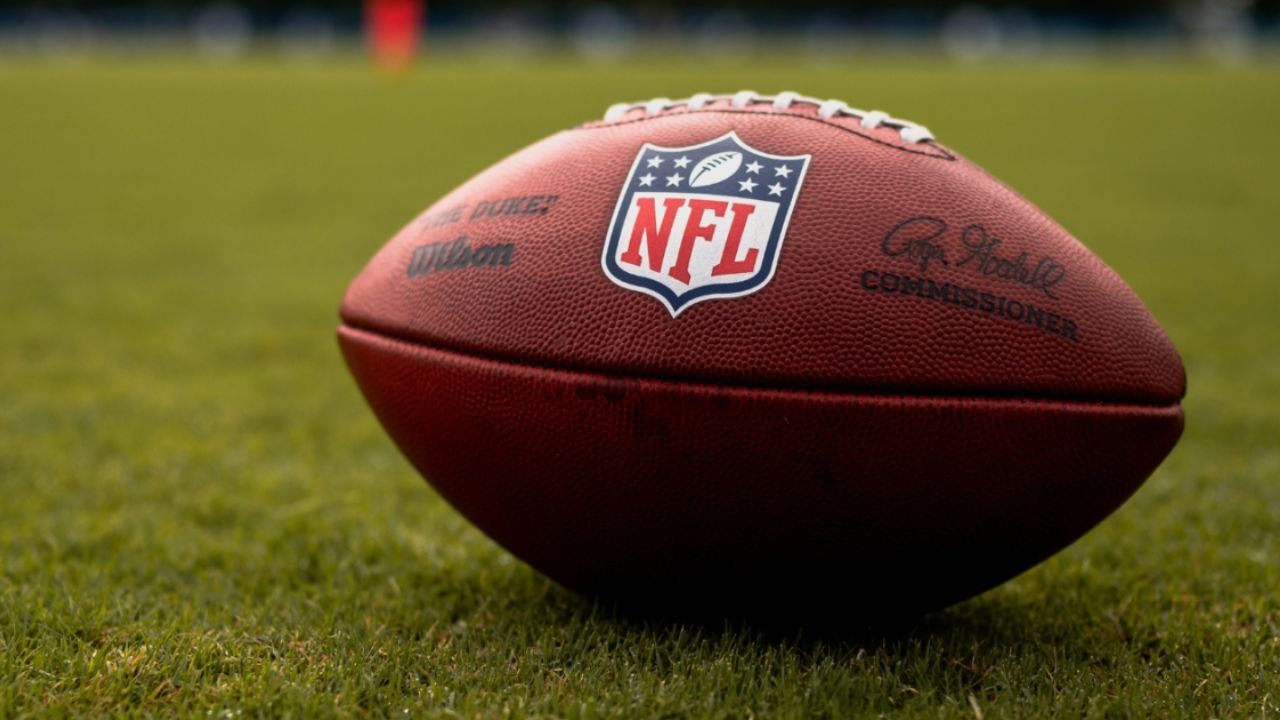
Official NFL footballs are made for professional gameplay. These footballs use premium leather and follow strict NFL regulations. They are slightly harder at first but become softer after regular use.
Professional players prefer them because they:
- Offer strong grip
- Improve spiral throws
- Maintain shape longer
- Handle rough gameplay better
These footballs are usually more expensive than casual footballs, but the quality difference becomes obvious after a few practice sessions.
Youth Footballs
Youth footballs are smaller and lighter. They help younger players improve throwing mechanics without struggling with weight.
College Footballs
College footballs look similar to NFL footballs, but subtle design differences exist. Some players say college footballs feel slightly easier to grip.
Practice Footballs
Practice footballs are designed for durability rather than professional performance. They usually use composite materials instead of premium leather.
Understanding these different types of footballs helps explain why NFL footballs feel more advanced and professional.
NFL Football Size Comparison: How Big Is an NFL Football?
One of the most searched questions online involves nfl football size comparison because many fans want to know how NFL footballs differ from regular footballs.
An official NFL football follows specific size rules:
- Length: approximately 11 inches
- Circumference at center: around 22 inches
- Weight: about 14 to 15 ounces
Although those numbers may not seem unusual, the balance and shape feel very different in hand.
NFL Football vs Youth Football
During casual games, I once switched between a youth football and an NFL football. The difference felt immediate. The youth football felt lighter and easier to control, while the NFL football demanded better grip strength and throwing technique.
NFL Football vs College Football
The nfl football size comparison between NFL and college footballs is subtle but noticeable for experienced players. NFL footballs often have slightly narrower shapes and different stripe designs.
Why Size Matters
The football size affects:
- Throwing accuracy
- Spiral speed
- Catching control
- Hand comfort
Quarterbacks especially care about size consistency because even small grip differences can affect passing performance.
NFL Football Material and Construction
Another important question people ask after learning what ball is used in NFL involves the materials.
The official NFL football uses high-quality leather. This premium construction improves durability and grip.
Genuine Leather Surface
The leather used in NFL footballs feels rough initially. However, after some use, the surface becomes softer and more comfortable.
I remember buying my first premium leather football. At first, the ball felt stiff and slightly slippery. After several practice sessions, the leather softened, and the grip improved dramatically.
This break-in process explains why many players love authentic footballs.
Pebbled Texture
NFL footballs use a pebble-textured surface. This design improves grip during throwing and catching.
Without this texture:
- Passes become harder to control
- Wet weather handling worsens
- Spiral accuracy decreases
Strong Laces
The laces also play an important role. Quarterbacks position their fingers near the laces to improve control during throws.
The overall nfl football material directly impacts gameplay quality, which is why professional footballs cost more than ordinary sports-store footballs.
Why NFL Players Prefer Official Footballs
Now that we understand what ball is used in NFL, it becomes easier to understand why professionals rely on premium footballs.
NFL players need consistency. During fast-paced games, they cannot adjust constantly to poor grip or unstable football shapes.
Better Throwing Accuracy
A quality football creates cleaner spirals. During my own practice sessions, I noticed that cheaper footballs often wobble in the air.
Premium footballs travel more smoothly and feel balanced.
Improved Grip
Grip becomes extremely important during rain or cold weather. NFL footballs maintain better hand control compared to lower-quality footballs.
Durability
Official footballs survive rough usage much better. Even after repeated practice sessions, they maintain shape and stitching quality.
NFL Football Size Comparison Table
| Football Type | Size | Material | Best Use |
| NFL Football | Official size | Premium leather | Professional games |
| College Football | Slightly varied | Leather/composite | College games |
| Youth Football | Smaller | Composite | Kids and beginners |
| Practice Football | Standard | Rubber/composite | Training |
This nfl football size comparison helps beginners choose the right football more confidently.
Personal Experience Using NFL Footballs
The first time I used an authentic NFL-style football during a local practice game, I immediately noticed the difference.
The ball felt:
- More balanced
- Easier to spiral
- More stable during catches
However, I also realized that beginners may struggle initially because NFL footballs require stronger grip strength.
Cheaper footballs may feel softer, but they often lose shape quickly. In contrast, a premium football becomes better over time.
That experience completely changed how I viewed football equipment.
Common Mistakes People Make When Buying Footballs
Many buyers search what ball is used in NFL because they want a professional experience, but they often buy the wrong football.
Choosing Cheap Rubber Footballs
Rubber footballs work for casual games, but they do not provide authentic NFL feel.
Ignoring Football Size
Some buyers accidentally purchase youth footballs instead of official sizes.
Not Checking Material
The nfl football material matters greatly. Genuine leather performs much better than low-quality synthetic materials.
Expecting Instant Comfort
Many people dislike leather footballs initially because they feel stiff. However, footballs improve after regular use.
How NFL Footballs Perform in Different Weather
Weather changes football performance significantly.
Dry Conditions
NFL footballs perform best in dry weather. The grip feels sharp and controlled.
Rainy Conditions
Wet weather challenges even professional players. However, quality footballs still provide better grip than cheaper alternatives.
Cold Temperatures
Cold weather can harden football leather slightly. Quarterbacks often prepare carefully before games in winter conditions.
Tips for Maintaining an NFL Football
After learning what ball is used in NFL, many fans decide to buy one. Proper maintenance becomes important.
Store Indoors
Avoid leaving footballs in extreme heat.
Maintain Correct Air Pressure
Overinflation can damage football structure.
Clean Carefully
Use a dry cloth instead of soaking the football in water.
Avoid Rough Concrete
Playing constantly on rough surfaces damages leather quickly.
Good maintenance can help footballs last for years.
Buyer Guide: Choosing the Right Football
Choosing the right football depends on your goals.
For Beginners
Choose:
- Composite footballs
- Medium grip
- Affordable models
For Serious Players
Invest in:
- Genuine leather footballs
- Official sizes
- Professional grip texture
For Collectors
Official NFL-branded footballs work best for display collections.
Pros and Cons of NFL Footballs
Pros
NFL footballs provide:
- Excellent grip
- Better spirals
- Strong durability
- Professional feel
Cons
However, they also:
- Cost more
- Need break-in time
- Require maintenance
Despite those disadvantages, serious football fans usually prefer authentic footballs.
Expert Tips for Better Football Performance
Over the years, I learned several useful football tips that improve performance significantly.
Practice Spiral Technique
A proper spiral improves distance and accuracy.
Use Proper Grip
Finger placement matters more than many beginners realize.
Break In the Football
Leather footballs improve after regular usage.
Avoid Overinflation
Too much air pressure affects grip and comfort.
These small adjustments can improve throwing consistency dramatically.
Why the NFL Football Design Has Stayed Consistent
One interesting thing about NFL footballs is how little the design has changed over time.
The current design works extremely well because:
- Players trust it
- Grip remains reliable
- Shape supports accurate throws
- Durability stays high
Sometimes tradition survives because the original design already performs perfectly.
Frequently Asked Questions
What ball is used in NFL games?
NFL games use official leather footballs designed according to league regulations.
What material is used in NFL footballs?
The official football uses premium leather with pebble-textured grip surfaces.
Why are NFL footballs expensive?
The high-quality leather, stitching, and professional construction increase the cost.
Is NFL football bigger than college football?
The differences are small, but the overall feel and grip vary slightly.
Can beginners use NFL footballs?
Yes, but beginners may initially find them harder to control.
How long does an NFL football last?
With proper care, premium footballs can last for years.
Why do NFL footballs feel different?
The leather quality, grip texture, and weight distribution create a more professional feel.
Final Thoughts
Understanding what ball is used in NFL helps football fans appreciate the game at a deeper level. NFL footballs are carefully designed for performance, durability, and consistency. From the leather texture to the size measurements, every detail supports professional gameplay.
After personally trying multiple football types over the years, I strongly believe authentic footballs provide the best overall experience. The grip feels more natural, throws become smoother, and the ball simply performs better during serious practice sessions.
While casual players may not need expensive footballs immediately, anyone serious about improving skills should consider investing in a quality leather football. The difference becomes noticeable very quickly.
Whether you are a beginner, collector, or passionate football fan, learning about NFL football design gives you a better understanding of why professional players trust these footballs every season.